Steps to Protect Property After a Death in Colorado

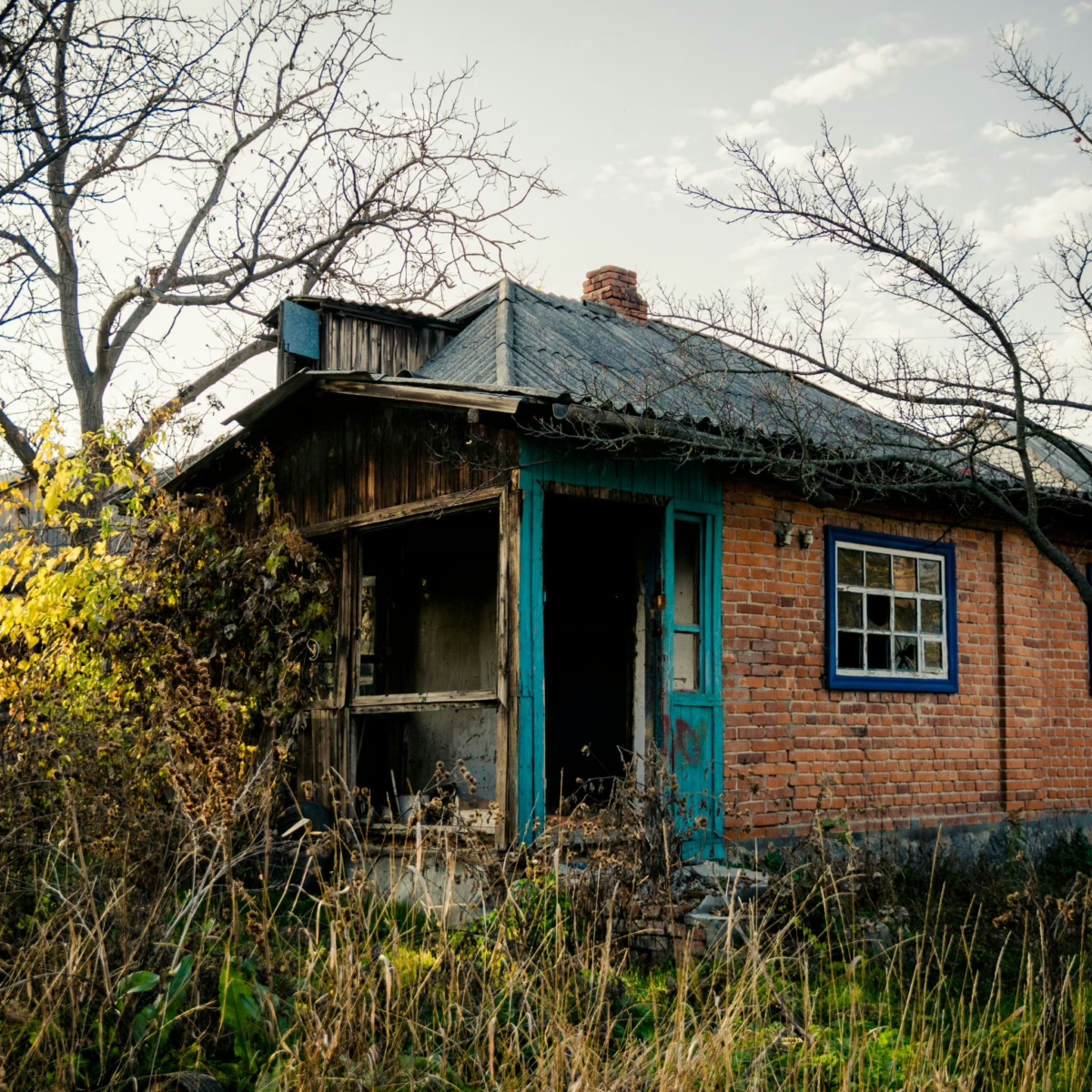
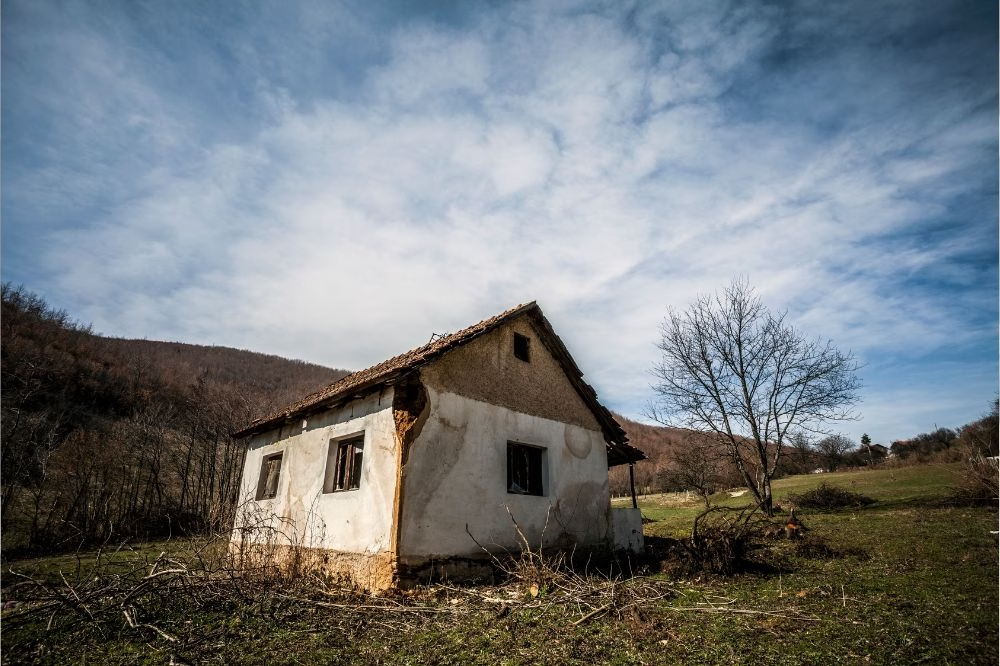
Losing a loved one is overwhelming, and handling their home can feel like an added burden during an already difficult time. In Colorado, there are important steps that should be taken immediately after a death to protect estate property and avoid costly issues later in the probate process.

Understanding what to do early can help preserve the home’s value, prevent legal complications, and give you peace of mind.

1. Secure the Property Immediately

One of the first priorities is making sure the home is safe. Change the locks if necessary, especially if multiple people had access. Remove spare keys and secure garages, sheds, and other entry points.

Vacant homes are more vulnerable to break-ins and vandalism, so taking this step early is critical.

2. Notify the Insurance Company

Many homeowners don’t realize that a standard policy may not fully cover a vacant property. Contact the insurance provider right away to inform them of the death and vacancy status.

You may need a vacancy endorsement or a new policy to ensure proper coverage.

3. Maintain Utilities and Basic Upkeep

It can be tempting to shut everything off, but maintaining basic utilities is essential. Keep electricity, water, and gas running to prevent issues like mold, frozen pipes, or deterioration.

Regular maintenance such as lawn care or snow removal also helps avoid city violations and keeps the property presentable.

4. Forward Mail and Monitor Bills

Forwarding mail ensures you don’t miss important notices such as mortgage statements, tax bills, or insurance documents.

Staying on top of these obligations helps prevent penalties, lapses in coverage, or legal complications during probate.

5. Document the Property Condition

Take photos or videos of the home and its contents as soon as possible. This documentation can be helpful for insurance purposes, estate accounting, and avoiding disputes among heirs.

6. Limit Access to Authorized Individuals

Only allow access to those directly involved in the estate. This reduces the risk of missing items, misunderstandings, or liability issues.

7. Consult Probate and Real Estate Professionals

Every estate is different, and Colorado probate laws can impact what you can and cannot do with the property. Working with professionals ensures you stay compliant while making informed decisions.


Taking these steps early can prevent unnecessary stress, protect the estate’s value, and make the probate process smoother for everyone involved. If you’re unsure where to start, guidance from experienced professionals can make all the difference.

Contact Colorado Estate Services today to for assistance on protecting one of the estates largest assets.
Maintenance Mistakes That Can Delay or Derail an Estate Sale

Inherited homes and long-vacant properties often come with small, overlooked repair issues. At first glance, these may seem minor or purely cosmetic. But for personal representatives, attorneys, and fiduciaries managing an estate, these small problems can lead to serious financial consequences if left unaddressed.

At Colorado Estate Services, we help families and estate professionals avoid costly surprises by identifying and managing deferred maintenance early, before it impacts the home’s value, marketability, or safety.

The Hidden Cost of ‘Waiting Until Later’

It’s common to assume that an older or unused property is fine for now, especially when no one is living in it. But time, weather, and neglect often cause small issues to escalate into expensive, disruptive repairs. Below are several real-world examples of how deferred maintenance can quietly drain equity from an estate:

  • A minor roof leak that could have been patched for a few hundred dollars turns into mold remediation and drywall replacement, which can easily exceed $7,000 – $10,000 not to mention the disruption to potential buyers and delays in closing.
  • Clogged gutters don’t just look messy, they can cause water to pool around the foundation. Over time, this can lead to structural cracks, basement flooding, or erosion around the home. These repairs often cost $5,000+ depending on severity and insurance coverage.
  • An aging water heater may appear to function fine, but if left unchecked, it could rust through and burst. The resulting water damage can destroy flooring, walls, and even cabinetry. Replacing the unit costs less than $2,000. Repairing the damage it causes might be five times that.
  • Overgrown trees and landscaping aren’t just an eyesore. They create an impression of abandonment that can deter buyers or, worse, invite break-ins or squatters. Rodents and insects are also more likely to settle in when a home appears neglected. Clean-up and pest control can quickly become another unexpected line item.
  • HVAC systems that sit idle may develop issues from lack of use such as seized motors, clogged condensate lines, or failed thermostats. Regular tune-ups and filter changes are far more cost-effective than a full system replacement, which can run $8,000- $15,000 depending on the home.

Why It Matters at Sale Time

Deferred maintenance doesn’t just affect a home’s physical condition, it directly impacts its market appeal and final sale price. A home that appears neglected:

  • Attracts fewer retail buyers and more bargain-seeking investors
  • Sits on the market longer, increasing holding costs
  • Results in lower offers and more complex negotiations

Even simple updates like fresh paint, deep cleaning, basic landscaping can increase perceived value by 10% or more. But if core maintenance issues are ignored, cosmetic upgrades won’t be enough to reassure today’s buyers.

For estate representatives, staying ahead of basic maintenance is one of the most effective ways to protect the value of the property and ensure a smoother sales process.

We Can Help You Prioritize What Matters

You don’t need to tackle everything at once or alone. At Colorado Estate Services, we regularly assist families and fiduciaries with:

  • Property inspections and repair coordination
  • Prioritizing quick, high-impact fixes
  • Referrals to trusted contractors who understand estate needs

Whether you’re listing a home in its current condition or preparing it for retail buyers, we’re here to help you reduce risk, avoid delays, and preserve the estate’s equity.

Contact Colorado Estate Services today to schedule a free consultation or learn more about how we can help.

How to Spot Signs of Property Deterioration Early

A home that looks perfectly fine on the surface can hide serious issues that lead to expensive repairs down the line. For attorneys managing estate or trust properties, catching early signs of deterioration is critical for preserving a home’s value and ensuring a smoother sale or transfer.

Here are the most common early warning signs to watch for and what they might mean:

1. Water Stains or Peeling Paint

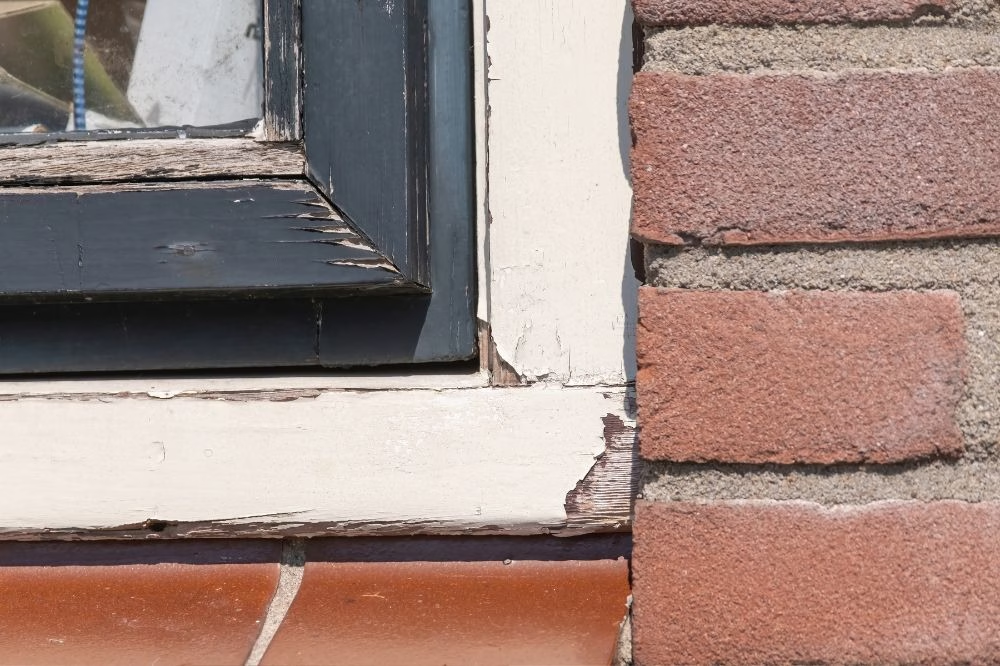
These are often the first red flags for hidden leaks. Whether it’s a minor roof leak, a burst pipe, or a slow plumbing drip, moisture intrusion is one of the most damaging and costly issues a property can face. If left untreated, it can lead to mold growth, wood rot, and compromised structural integrity. Always inspect ceilings, around windows, and under sinks.

2. Musty Smells or High Humidity

A persistent musty odor or noticeable dampness is often a sign of poor ventilation or hidden water problems. Basements and crawlspaces are particularly vulnerable, especially in older homes. Check for condensation on pipes or walls, warped wood, or damp carpeting all of which can signal a moisture problem that needs attention.

3. Signs of Pest Activity

Uninvited guests like rodents, termites, or carpenter ants can quietly wreak havoc. Look for droppings, gnawed materials, or hollow-sounding wood. Chewed electrical wires can also create fire hazards. Catching an infestation early is key to avoiding serious structural damage and high extermination costs.

4. Cracks in Walls, Ceilings, or the Foundation

Some minor settling is normal over time, but larger or expanding cracks can point to serious foundation or structural issues. Pay attention to cracks wider than 1/8 inch, especially if they’re accompanied by sloping floors, sticking doors, or gaps around windows.

5. Unexplained Spikes in Utility Bills

If a vacant or lightly used property suddenly has a jump in water or electricity usage, it could be a sign of trouble. Leaking toilets, damaged irrigation systems, or failing HVAC equipment are common culprits. Monitoring utility bills from companies such as Denver Water can offer a simple early warning system.

6. Exterior Wear and Neglect

Flaking paint, clogged gutters, missing shingles, or overgrown landscaping might seem cosmetic, but they can also expose the property to moisture damage or pest entry points. Routine exterior upkeep helps preserve curb appeal and structural protection.

Small problems can quickly snowball into major repairs when homes are left unmonitored. Regular inspections, especially in inherited or vacant properties, are essential for protecting the asset. Partnering with a real estate team that specializes in estate and probate properties ensures issues are caught early and handled efficiently.

Have questions or need help evaluating a property? Feel free to reach out to Colorado Estate Services, we’re here to assist.

Spring Estate Home Maintenance Checklist: What to Tackle First

As winter fades and Colorado begins to bloom, spring is the perfect time to refresh a home, especially if you’re preparing an estate property for sale. Seasonal maintenance not only improves curb appeal but also helps preserve the value of a vacant or inherited home during the probate process.

Whether you’re a personal representative managing an estate or a family member coordinating from out of state, this guide offers practical steps to keep the home looking cared-for and market-ready.

Outdoor Maintenance

  1. Turn On the Sprinkler System and Check for Winter Damage
    • Cold weather can wreak havoc on irrigation lines. When spring arrives, have the system professionally activated. This includes checking for cracked pipes, broken sprinkler heads, and misaligned spray patterns. A functioning system keeps the lawn green, an easy, high-impact way to enhance first impressions.
  2. Aerate, Overseed, and Fertilize the Lawn
    • Colorado soil compacts during the winter months. Aerating in early spring helps roots breathe and absorb nutrients. Follow it with overseeding any bare patches and applying a slow-release fertilizer to encourage healthy, even growth well into summer.
  3. Power Rake to Remove Thatch and Dead Grass
    • Thatch buildup can smother grass and attract pests. Power raking removes this layer and allows new grass to thrive, especially important before overseeding.
  4. Clean Gutters and Check Downspouts
    • Clogged gutters can cause water to back up and damage the roof or foundation. Clear out winter debris and make sure downspouts direct water at least 3 feet away from the home to prevent erosion or leaks.
  5. Refresh Landscaping for Maximum Appeal
    • Even small updates go a long way. Add fresh mulch, plant colorful flowers, trim overgrown shrubs, and control weeds. These touches create a warm, well-maintained look that appeals to buyers and neighbors alike.
  6. Inspect the Exterior and Touch Up Paint
    • Do a full walkaround of the property to identify peeling paint, cracks in the siding or foundation, and any signs of pest intrusion. Addressing these issues early can prevent bigger problems and help the home shine in photos and showings.

Indoor Maintenance

  1. Deep Clean the Interior from Top to Bottom
    • Clean windows and sills, dust ceiling fans and baseboards, vacuum under furniture, and clear out cabinets. If you’re prepping for sale, consider hiring a professional cleaning service, Colorado Estate Services covers up to $500 in professional cleaning to help you get started.
  2. Service and Test the HVAC System
    • Replace HVAC filters and consider scheduling a spring A/C tune-up. Clean all vents and registers, and test the thermostat to ensure the system is ready for warmer days.
  3. Check Safety Devices and Fire Prevention Tools
    • Replace batteries in all smoke and carbon monoxide detectors, test the alarms, and inspect fire extinguishers for expiration dates or damage.
  4. Inspect for Rodents or Insects
    • Look for droppings, chewed materials, or nests, especially in basements and attics. Seal cracks in baseboards or windows, and call pest control if needed.
  5. Refresh Household Items and Declutter
    • Wash curtains, clean throw pillows, and rotate mattresses. Store or donate heavy winter items like coats, boots, or heaters to keep the home light and airy for the season.
  6. Inspect Plumbing and Fixtures
    • Check for leaks under sinks or around toilets, flush unused drains, and inspect the water heater for rust or wear. Keeping plumbing in top shape can prevent future water damage.
  7. Maximize Natural Light and Freshness
    • Clean windows inside and out to let the light in. Swap out heavy winter drapes for sheer panels and add seasonal scents like citrus or floral diffusers to create a welcoming atmosphere.
  8. Prepare for Summer Heat
    • Make sure ceiling fans are rotating counter-clockwise to circulate cool air. Check that refrigerators and freezers are running efficiently and unplug unused space heaters.

Preparing to Sell a Property?

At Colorado Estate Services, we help everyday homeowners get their properties ready to sell, with less stress and more support. Whether you’re downsizing, moving out of state, or just ready for a change, we offer:

  • Trusted local vendors for landscaping, repairs, cleaning, and more
  • Flexible sale options, including traditional listings or quick investor offers
  • Full coordination, from prep and paperwork to closing day, remote or in-person

If you’re thinking about selling this spring or summer, let us help you simplify the process and get the best possible outcome. Reach out today for a free home assessment and personalized game plan.

Loading Viewer…

Partner Spotlight: Kura Home Maintenance

At Colorado Estate Services, we understand the challenges of maintaining a home, especially when it’s vacant, part of an estate, or preparing for sale. That’s why we’re excited to partner with Kura Home Maintenance Colorado, a trusted name in professional home maintenance and winterization services.

Why Kura Home Maintenance?
Kura Home specializes in comprehensive home maintenance solutions, ensuring that properties remain secure, functional, and protected from seasonal damage. They offer a wide range of winterization services, covering all the key tasks outlined in our Vacant Home Winterization Checklist.

Winterization & Home Maintenance Services

Our partnership with Kura Home means that whether you’re a homeowner, executor, trustee, or investor, you can confidently rely on them for Full Home Winterization

Protect pipes, plumbing, and HVAC systems from freezing temperatures:

  • Furnace & HVAC Servicing – Ensure heating systems are functioning efficiently.
  • Exterior & Roof Inspections – Identify and address vulnerabilities before winter storms hit.
  • Gutter Cleaning & Ice Dam Prevention – Avoid costly roof and foundation damage.
  • Water Shutoff & Leak Protection – Prevent frozen pipes and water damage.
  • Security & Property Checks – Ensure vacant homes remain secure throughout winter.
  • General Home Maintenance – Keep the property in top shape for future sale or long-term ownership.

How This Benefits You

Whether you’re managing an estate, handling an inherited home, or simply need reliable seasonal maintenance, Kura Home can handle every winterization task so you don’t have to worry. With their expertise and our real estate solutions, your property stays safe, market-ready, and well-maintained all winter long.

Need Winterization Services?

Contact Kura Home Maintenance Today: Scott Kegerreis – CEO & Co-Owner
720-994-8303 | scott@kurahomeservices.com | www.kurahomeservices.com

For all your probate and estate real estate needs, contact Colorado Estate Services or call 720-448-4236.