Inherited a House That Needs Work? Your Colorado Options

Inherited a House That Needs Work? Your Colorado Options

Colorado Estate Services helps executors, personal representatives, and families manage and sell inherited properties throughout Colorado.
Inherited a House That Needs Work? Your Colorado Options
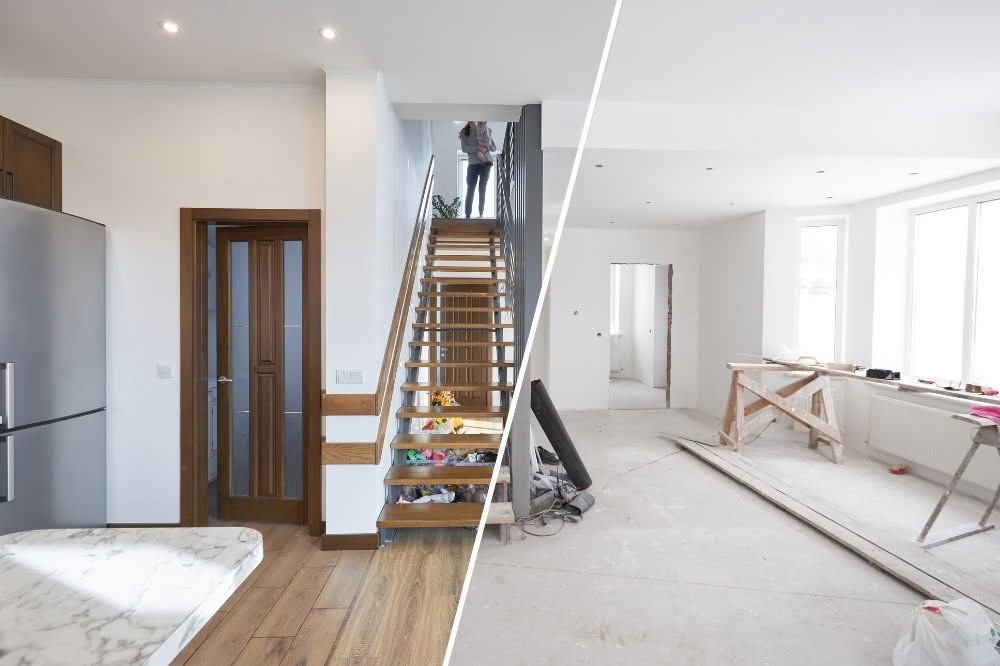
When it’s time to sell an estate property, the question of whether to update or renovate often comes up early in the conversation. The good news? A full remodel is rarely necessary. In many cases, small, thoughtful improvements can help the home sell faster and for a higher price without overextending the estate’s time, budget, or resources.
Whether you’re a personal representative, attorney, or family member navigating the process, focusing on simple, cost-conscious upgrades can deliver excellent returns and reduce friction during the sale.
Here are five smart improvements that offer strong value without requiring a major investment.
Painting is one of the most affordable and high-impact updates you can make. A fresh coat of neutral-colored paint helps a home look brighter, cleaner, and more inviting. Stick with light gray, beige, or soft white to appeal to a wide buyer pool.
Exterior paint, especially on doors, trim, and shutters, can dramatically improve curb appeal. It also helps online listing photos stand out, encouraging more showings and stronger first impressions.
Outdated lighting can make a home feel dark or dated, even if the rest of the property is well-maintained. Replacing older fixtures with clean, modern alternatives helps rooms feel brighter and more contemporary.
LED bulbs and simple lighting upgrades are inexpensive and easy to install. They instantly signal that the home has been cared for, and they can improve overall presentation with minimal effort.
Most buyers form an impression of a home before they even walk through the front door. That’s why minor landscaping updates and exterior clean-up are essential.
Key areas to focus on include:
These updates help the home appear well-maintained and move-in ready, qualities that buyers prioritize.
You don’t have to gut the kitchen or install all-new cabinetry to make a meaningful impact. Instead, focus on targeted updates that modernize the space and enhance appeal:
These small changes can make a dated kitchen or bathroom feel significantly more updated and livable often for under $1,000.
Worn flooring is one of the first things buyers notice—and it can be a deal-breaker. Fortunately, full replacement isn’t always necessary. Options include:
Even partial upgrades can dramatically improve a home’s visual appeal and help eliminate buyer objections.
Every dollar spent preparing an estate property should ideally yield a multiple of that amount in increased sale value or reduced time on market. Strategic updates help ensure the home appeals to more buyers, appraises well, and sells with less negotiation and fewer delays. For more insight on improvements that add value, This Old House shares tips on top home upgrades by return on investment.
At Colorado Estate Services, we walk properties with our clients to identify the most impactful improvements and connect you with trusted vendors who can execute the work quickly and affordably.
If you’re unsure which updates make sense for a particular home, contact us for a free consultation and customized recommendations.
Inherited homes and long-vacant properties often come with small, overlooked repair issues. At first glance, these may seem minor or purely cosmetic. But for personal representatives, attorneys, and fiduciaries managing an estate, these small problems can lead to serious financial consequences if left unaddressed.
At Colorado Estate Services, we help families and estate professionals avoid costly surprises by identifying and managing deferred maintenance early, before it impacts the home’s value, marketability, or safety.
It’s common to assume that an older or unused property is fine for now, especially when no one is living in it. But time, weather, and neglect often cause small issues to escalate into expensive, disruptive repairs. Below are several real-world examples of how deferred maintenance can quietly drain equity from an estate:
Deferred maintenance doesn’t just affect a home’s physical condition, it directly impacts its market appeal and final sale price. A home that appears neglected:
Even simple updates like fresh paint, deep cleaning, basic landscaping can increase perceived value by 10% or more. But if core maintenance issues are ignored, cosmetic upgrades won’t be enough to reassure today’s buyers.
For estate representatives, staying ahead of basic maintenance is one of the most effective ways to protect the value of the property and ensure a smoother sales process.
You don’t need to tackle everything at once or alone. At Colorado Estate Services, we regularly assist families and fiduciaries with:
Whether you’re listing a home in its current condition or preparing it for retail buyers, we’re here to help you reduce risk, avoid delays, and preserve the estate’s equity.
Contact Colorado Estate Services today to schedule a free consultation or learn more about how we can help.
A home that looks perfectly fine on the surface can hide serious issues that lead to expensive repairs down the line. For attorneys managing estate or trust properties, catching early signs of deterioration is critical for preserving a home’s value and ensuring a smoother sale or transfer.
Here are the most common early warning signs to watch for and what they might mean:
These are often the first red flags for hidden leaks. Whether it’s a minor roof leak, a burst pipe, or a slow plumbing drip, moisture intrusion is one of the most damaging and costly issues a property can face. If left untreated, it can lead to mold growth, wood rot, and compromised structural integrity. Always inspect ceilings, around windows, and under sinks.
A persistent musty odor or noticeable dampness is often a sign of poor ventilation or hidden water problems. Basements and crawlspaces are particularly vulnerable, especially in older homes. Check for condensation on pipes or walls, warped wood, or damp carpeting all of which can signal a moisture problem that needs attention.
Uninvited guests like rodents, termites, or carpenter ants can quietly wreak havoc. Look for droppings, gnawed materials, or hollow-sounding wood. Chewed electrical wires can also create fire hazards. Catching an infestation early is key to avoiding serious structural damage and high extermination costs.
Some minor settling is normal over time, but larger or expanding cracks can point to serious foundation or structural issues. Pay attention to cracks wider than 1/8 inch, especially if they’re accompanied by sloping floors, sticking doors, or gaps around windows.
If a vacant or lightly used property suddenly has a jump in water or electricity usage, it could be a sign of trouble. Leaking toilets, damaged irrigation systems, or failing HVAC equipment are common culprits. Monitoring utility bills from companies such as Denver Water can offer a simple early warning system.
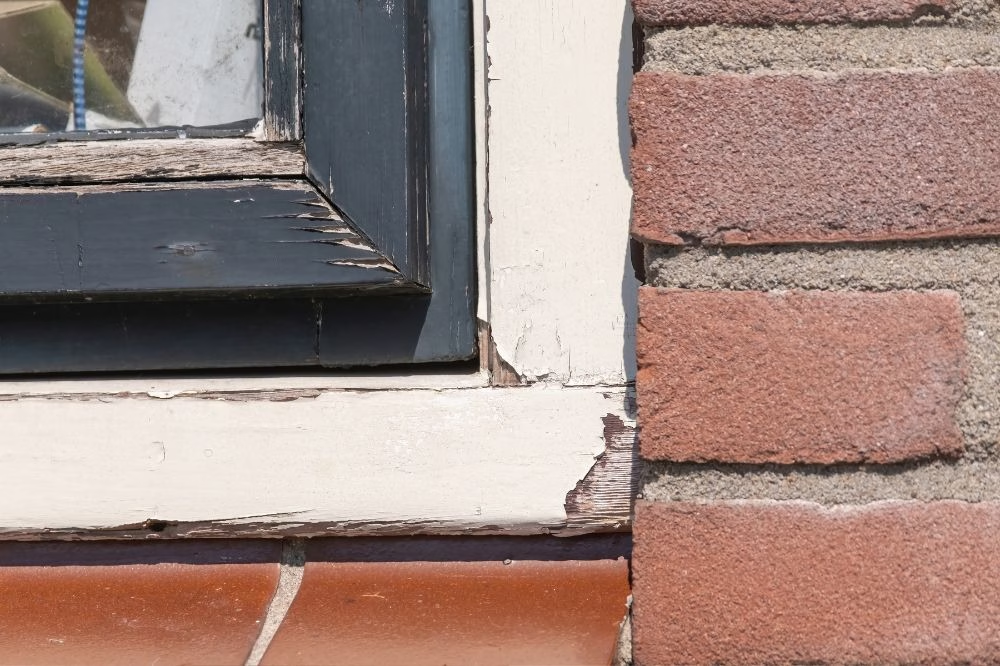
Flaking paint, clogged gutters, missing shingles, or overgrown landscaping might seem cosmetic, but they can also expose the property to moisture damage or pest entry points. Routine exterior upkeep helps preserve curb appeal and structural protection.
Small problems can quickly snowball into major repairs when homes are left unmonitored. Regular inspections, especially in inherited or vacant properties, are essential for protecting the asset. Partnering with a real estate team that specializes in estate and probate properties ensures issues are caught early and handled efficiently.
Have questions or need help evaluating a property? Feel free to reach out to Colorado Estate Services, we’re here to assist.
One of the most common questions we get at Colorado Estate Services is: “Should I fix up the home before selling, or just sell it as-is?” If you’ve inherited a property or are managing the sale of an estate, this is a key decision that can impact both your time and your bottom line.
Our answer? Don’t try to become a house flipper.
Why “Fix & Flip” Usually Doesn’t Work for Estates
TV shows and online videos make flipping a house look fast and easy. But real life tells a different story:
Unless you’re a licensed contractor or investor with deep experience, attempting a full renovation is rarely worth the risk.
Focus on Smart, Value-Boosting Fixes
Instead of a full remodel, we recommend focusing on cost-effective improvements that bring at least an equal or better return on investment. These are the “no regret” fixes that:
Top Fixes Worth Doing Before You Sell:
These upgrades are affordable, fast to complete, and help buyers see the home’s potential without overwhelming you.
When Selling As-Is Might Be the Best Option
There are times when selling the home completely as-is is the most sensible choice:
In these cases, we can connect you with trusted off-market buyers and investors who specialize in as-is properties. We also offer quick sale pricing options to help you weigh your choices.
We Help You Decide What Makes Sense
At Colorado Estate Services, we don’t push you toward one path or another. We look at your situation, the property’s condition, and your goals to help you make a decision that protects your time, sanity, and bottom line.
Whether that means selling it as-is or making a few smart upgrades to boost your price on the MLS, we’re here to help you through it step-by-step.
Contact Colorado Estate Services today for a free home assessment and let’s talk through the best strategy for your inherited or estate property.
As winter fades and Colorado begins to bloom, spring is the perfect time to refresh a home, especially if you’re preparing an estate property for sale. Seasonal maintenance not only improves curb appeal but also helps preserve the value of a vacant or inherited home during the probate process.
Whether you’re a personal representative managing an estate or a family member coordinating from out of state, this guide offers practical steps to keep the home looking cared-for and market-ready.
At Colorado Estate Services, we help everyday homeowners get their properties ready to sell, with less stress and more support. Whether you’re downsizing, moving out of state, or just ready for a change, we offer:
If you’re thinking about selling this spring or summer, let us help you simplify the process and get the best possible outcome. Reach out today for a free home assessment and personalized game plan.
Loading Viewer…
Estate and probate properties often come with their own unique set of quirks. From musty smells and stained carpets to outdated fixtures or years of accumulated clutter, these issues don’t always indicate serious problems, but they can quickly cause buyers to hesitate or walk away.
First impressions matter. Even if the home is being sold ‘as-is’ addressing minor red flags can help buyers see potential rather than problems. The good news is that many of these concerns are easy and affordable to fix, with a big impact on buyer confidence and perceived value.
Here are some of the most common red flags buyers notice, and how we recommend tackling them:
One of the fastest ways to turn off a buyer is a strong smell, whether from pets, smoke, or simply years of being closed up. Luckily, this is often treatable:
Old carpet, chipped tile, or stained linoleum can make the entire home feel neglected. But you don’t always need a full flooring overhaul:
These simple fixes dramatically improve visual appeal without major expense.
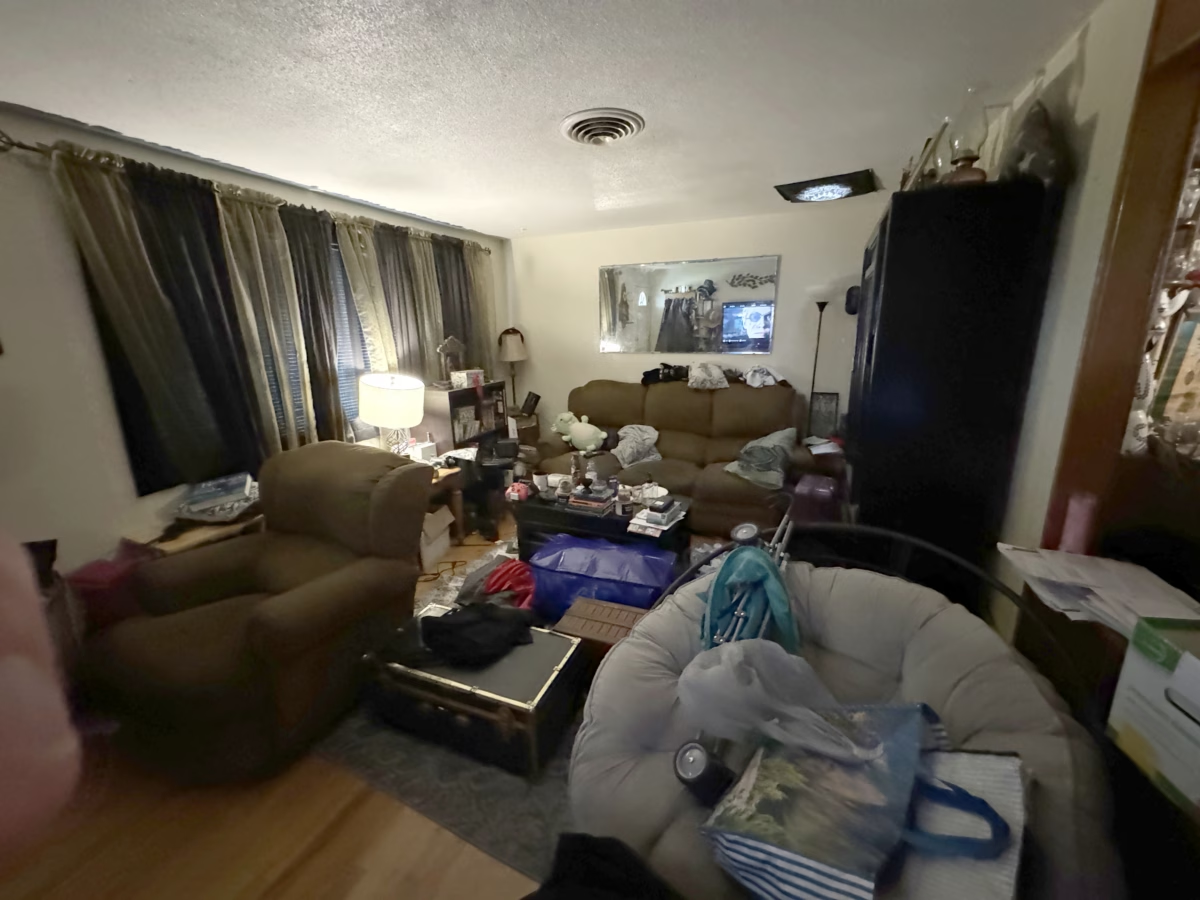
Even clean homes can feel chaotic if they’re full of furniture, collectibles, or personal items. A cluttered space looks smaller, darker, and harder to imagine living in. Consider:
Less clutter allows buyers to focus on the home, not the contents.
Shiny brass, colored porcelain, or outdated ceiling fans can instantly date a room. Thankfully, replacing these is one of the easiest upgrades:
These details help buyers feel the home has been cared for, even if other updates are still needed.
Dim or yellow lighting can make even a clean space feel dull or uninviting. Bright, natural light helps a home feel cheerful and open:
Lighting improvements are quick, low-cost, and make a big difference in photography and showings.
You don’t get a second chance to make a first impression. Overgrown landscaping or peeling paint at the entry can raise red flags before buyers even step inside:
These small touches make a home feel loved, and worth a closer look.
Final Thoughts
Even when a home is sold ‘as-is’ simple improvements can go a long way toward building buyer confidence and reducing objections. The goal isn’t perfection, it’s to help buyers see potential without being distracted by surface flaws.
We’re happy to walk through the home, provide honest feedback, and prioritize the updates that matter most. Don’t hesitate to reach out if you have a property that could benefit from a second set of eyes, or a quick tune-up before listing.
Discover how our expert team simplifies the complex process of selling real estate in probate, guiding families through every step with ease and expertise.
Pre-MLS marketing is an effective way to generate early interest in an estate property before it officially hits the Multiple Listing Service (MLS). This step is particularly beneficial for estates looking to gauge buyer interest or create a sense of exclusivity around the property. At Colorado Estate Services, we leverage our extensive network and marketing expertise to promote the property through various channels, including online platforms, social media, and direct outreach to potential buyers.
Once the property has been cleaned and cleared of unwanted items, the next step is to assess and address any necessary repairs or updates that can enhance its market value. Estate properties often require varying levels of work to meet the expectations of today’s buyers, whether it’s minor fixes, curb appeal improvements, or more significant renovations. Properly coordinating contractors to handle these tasks is crucial to ensuring the property is in optimal condition for a successful sale.
After securing court approval to sell the estate property, the focus shifts to preparing the home for the market. This crucial step often involves extensive cleaning and junk removal to ensure the property is presented in its best possible condition, attracting potential buyers and maximizing its market value.