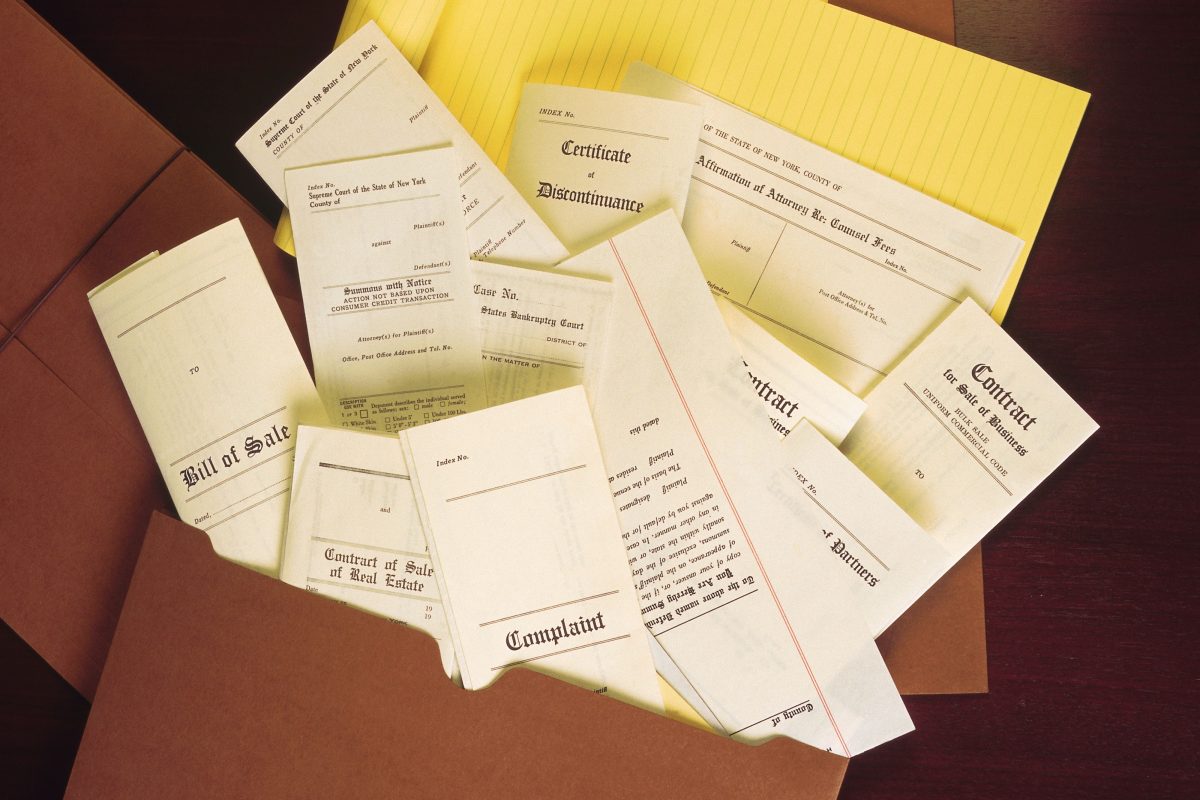
Navigating the probate process can be overwhelming, especially when it comes to managing the sale of real estate and other estate assets. At Colorado Estate Services, we specialize in guiding personal representatives (PRs) through this challenging time with expertise and care. With years of experience handling probate real estate sales, we not only bring our real estate knowledge to the table but also a wide network of trusted partners. These partnerships are designed to help you every step of the way, ensuring that your estate is handled efficiently, maximizing value and minimizing stress.
See the list of reasons below on why Colorado Estate Services is the best choice for your estate sale:
- Real Estate Expertise in Probate
Selling real estate during probate presents unique challenges, from understanding legal requirements to timing the market correctly. With extensive experience in the Colorado probate process, our team knows how to handle everything from preparing the property to negotiating the best price. Whether you need a quick off-market sale to liquidate assets quickly or want to position the property on the MLS for top dollar, we tailor our services to the needs of your estate.
We pride ourselves on helping PRs manage real estate transactions from start to finish, even if they live out of state or in a foreign country. Our process is designed to be seamless, often allowing clients to handle every aspect remotely, saving time, money, and unnecessary travel.
But what truly sets us apart is our vast network of partners who specialize in key areas of probate. Here’s how our partnerships can add value to your probate experience:
- Legal Guidance with Probate and Estate Planning Attorneys
Our close partnerships with probate and estate planning attorneys ensure that you have access to legal expertise when you need it most. These attorneys help guide you through the legal aspects of estate administration, from filing petitions to handling disputes, and even drafting wills or trusts for future planning. By partnering with skilled attorneys, we help ensure that your estate is managed according to the law, reducing the likelihood of costly legal mistakes.
- Clear Titles with Trusted Title Companies
When transferring property during probate, having a clear title is essential. Our partnerships with reputable title companies make the transfer of ownership as smooth as possible, ensuring no legal hiccups arise during the sale. They also handle closing details and paperwork, making the process easier for you as a PR.
- Tax Solutions with Certified Public Accountants (CPAs)
The tax implications of selling estate assets can be complex. Our network of certified public accountants (CPAs) specializes in probate estates and provides guidance on estate tax filings, capital gains tax, and managing the financial aspects of the probate process. Having a CPA involved can help you avoid surprises when it comes to tax obligations, while ensuring the estate is handled in a financially sound manner.
- Accurate Valuations with Real Estate and Personal Property Appraisers
Before distributing assets or selling a property, you need to know its true value. We work with experienced real estate and personal property appraisers to ensure that you have an accurate assessment of the estate’s value. Whether it’s a home, antiques, or other valuables, our appraisers can give you a clear picture of what the estate holds, which helps maximize its worth.
- Cleaning and Maintenance Solutions to Prepare the Home for Sale
Preparing a home for sale often involves cleaning, repairs, and general upkeep—especially if the property has been vacant for a period of time. Our partnerships with professional cleaning and maintenance companies ensure that the home is market-ready. From deep cleaning to handling repairs or even staging, these services help enhance the property’s value and reduce time on the market.
- Comprehensive Inspections with Trusted Home Inspectors
A thorough home inspection is often needed before listing a property for sale. We work with certified home inspectors who can quickly identify any issues, allowing you to make informed decisions about repairs. This proactive step ensures that buyers have confidence in the property, and it helps prevent costly surprises during negotiations.
- Estate Liquidation with Estate Sale Companies
Clearing out an estate is a major task. Through our partnerships with experienced estate sale companies, we help PRs organize, value, and sell personal belongings. These companies efficiently handle everything from organizing estate sales to auctioning off high-value items, making it easier for you to focus on the bigger picture.
- Relocation Made Easy with Moving and Storage Companies
Whether you need to move personal items to beneficiaries or store them until a decision is made, we have partnerships with reliable moving and storage companies. They offer solutions for both local and long-distance moves, helping to alleviate the burden of coordinating logistics.
- Property Upgrades with Contractors and Renovation Specialists
Sometimes, a property may require renovations or upgrades to attract top dollar. We work with licensed contractors and renovation specialists who can handle everything from minor repairs to full-scale remodeling. By making strategic updates, we help you maximize the sale price of the property, boosting the overall value of the estate.
- Curb Appeal with Landscaping Services
First impressions are crucial in real estate, and a well-maintained landscape can significantly enhance the appeal of a property. Our landscape partners specialize in everything from routine yard maintenance to full landscape makeovers. Whether it’s clearing overgrowth, adding fresh sod, or enhancing the curb appeal with new plants, their services ensure the property looks its best.
- Protecting the Property with Insurance Companies
If a home sits vacant for an extended period, it’s crucial to maintain appropriate insurance coverage to protect against risks. Our partners in the insurance industry offer policies tailored to vacant properties, giving you peace of mind that the estate’s assets are protected throughout the probate process.
- Emotional Support with Funeral Homes and Grief Counselors
The probate process can be emotionally taxing, especially if you’re also dealing with the loss of a loved one. While not directly related to the real estate side, we understand that personal representatives often need support beyond asset management. That’s why we connect clients with reputable funeral homes and grief counselors, offering compassionate resources during difficult times.
A Full-Service Probate Solution
At Colorado Estate Services, our goal is to provide comprehensive probate real estate solutions that not only streamline the process but also maximize the value of the estate. Our network of trusted partners allows us to offer a complete suite of services, from legal guidance and financial management to preparing the home for sale and handling logistics, so you can focus on what matters most. We take pride in handling even the most complex probate cases with professionalism, integrity, and care.
If you’re a personal representative managing a probate estate, reach out to us today to learn how our expertise and partnerships can help you through every step of the process. Let us shoulder the burden while you focus on honoring your loved one’s legacy.
All of our vetted partners can be found at this link: https://coloradoestateservices.com/colorado-estate-services-partners/